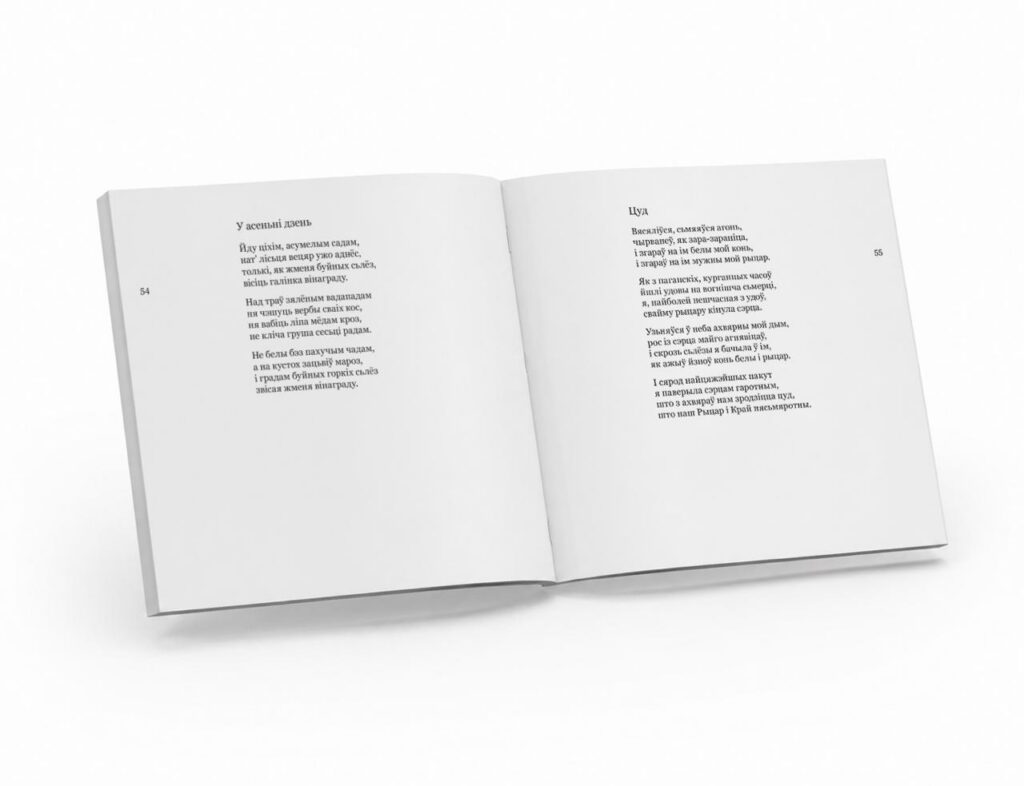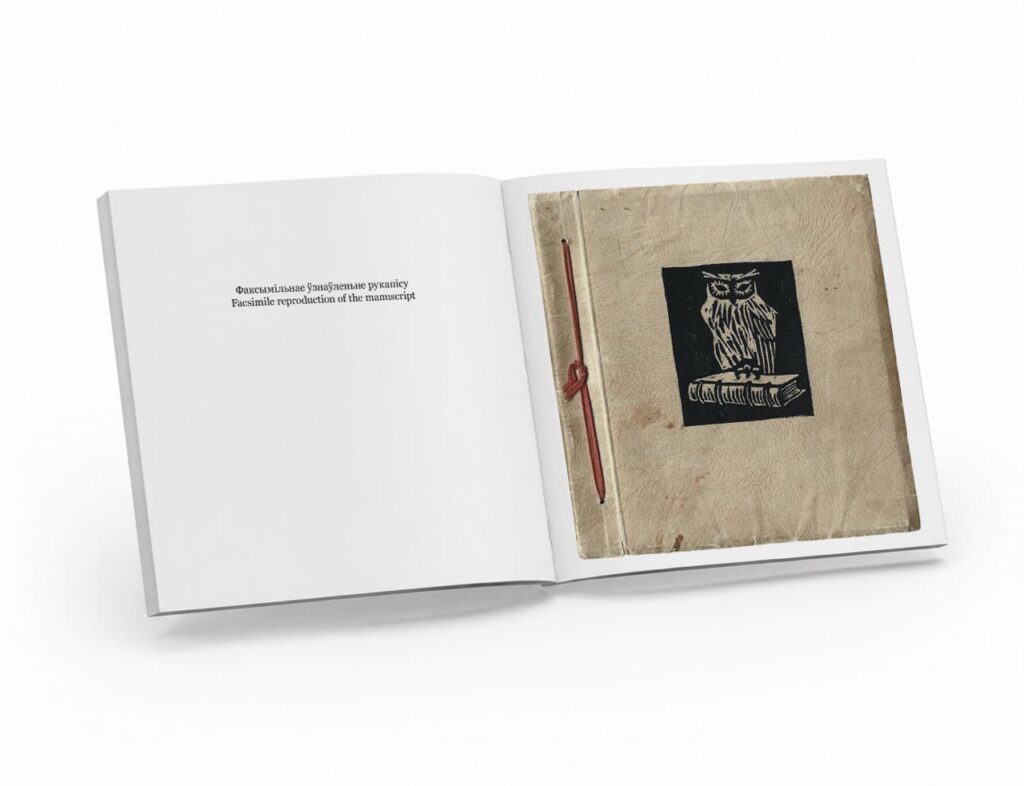
In the late 1980s, the collections of the Francis Skaryna Belarusian Library and Museum were enriched by a unique artefact — a previously unknown handwritten poetry collection by Łarysa Henijuš, which the poet herself bound into a small booklet. It contains poems written in Prague between 1945 and 1947, before her arrest and deportation to the Soviet Gulag.
The manuscript was deciphered by the British Belarusianist and literary scholar Arnold McMillin together with Alexander Nadson, and in 1992 the Skaryna Library published a typewritten xerox edition of the collection. It filled a long-standing gap between the poet’s first and only uncensored book, Ad rodnych niŭ (Prague, 1943), and the editions later published in the BSSR.
Over time, the significance of Henijuš’s second Prague collection became increasingly apparent. According to the historian Taćciana Astroŭskaja, a specialist in the Belarusian dissident movement, “this handwritten and handcrafted little collection may and should be regarded as the beginning of Belarusian-language post-war samizdat and tamivydat.”
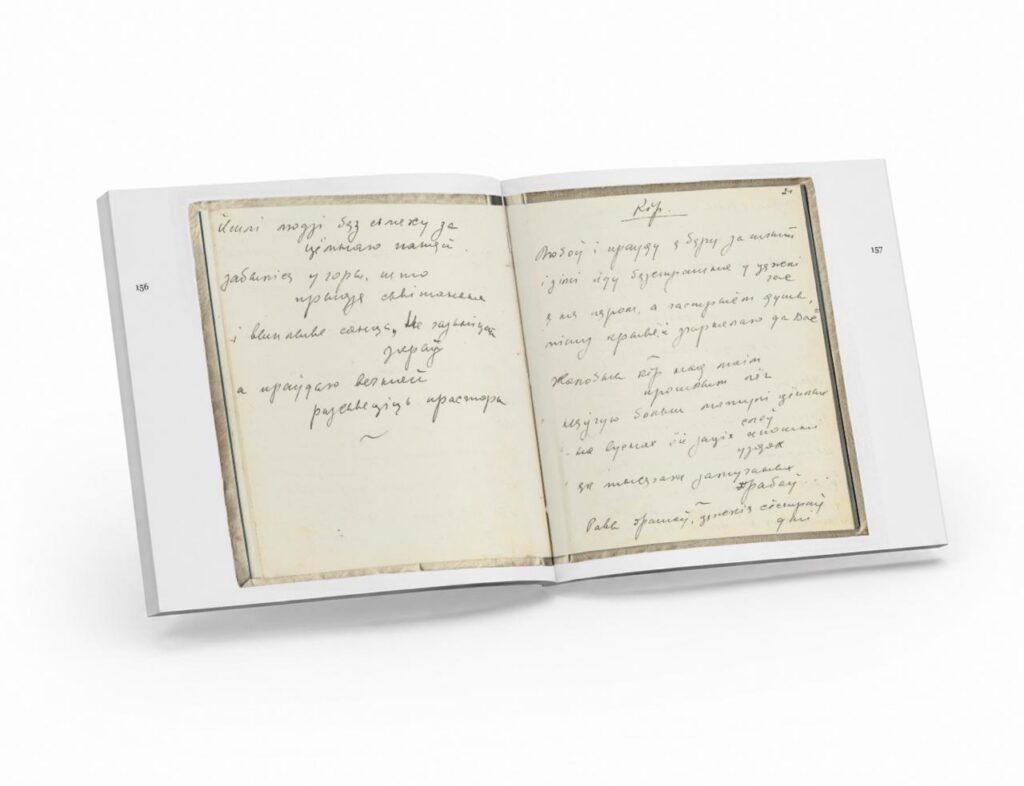
Today there is both an opportunity and a need to revisit the collection, to read and interpret it anew. A facsimile edition will soon be published by Skaryna Press, featuring the poems in a new edited version together with three scholarly essays exploring the collection’s context, history, significance, and language.